

Getting the right products into the right stores at the beginning of the season is a critical part of every fashion, footwear, or sportswear brand’s success. Poorly planned first allocations can lead to overstock, lost sales and missed opportunities.
That’s why Chainbalance developed ‘Smart Initial Allocation’ — a data-driven module that replaces intuition and outdated spreadsheets with smart algorithms, scenario planning, and granular control. It empowers brands to allocate their first product drops with precision and foresight, even before replenishment kicks in.
Why Initial Allocation matters
The early phase of a product’s life cycle is vital. Yet, many companies still rely on traditional planning methods. Large quantities of new articles are pushed to stores based on gut feeling, fixed size curves, or past habits. The results? Over- or under-supply, leading to unnecessary markdowns or missed sales.
‘Smart Initial Allocation’ brings precision to the process so you can launch your season confidently. By combining demand intelligence, predictive forecasting, and business rules, it ensures each store receives what it needs, not more or less. Minimizing risk, maximizing sales by allowing you to respond to actual demand and giving each season the best possible start.

Step 1: Create a scenario for a new Initial Allocation
How ‘Smart Initial Allocation’ works
‘Smart Initial Allocation’ allows users to create customized allocation scenarios. These scenarios can take into account various inputs:
- Preorder volumes
- Minimum display quantities
- Specific business rules (e.g. store restrictions or allocation caps)
- Product-level characteristics such as color, size, price range, and product group
A scenario offers a granular breakdown of allocations across stores, sizes and products options, empowering users to make informed decisions. Once confirmed, the system takes care of the rest. It automatically sets up articles for replenishment and sends initial allocation orders directly to your preferred ERP solution, streamlining the entire process.
This level of control ensures a smooth, transparent allocation process, while also preparing the foundation for seamless replenishment later in the season.
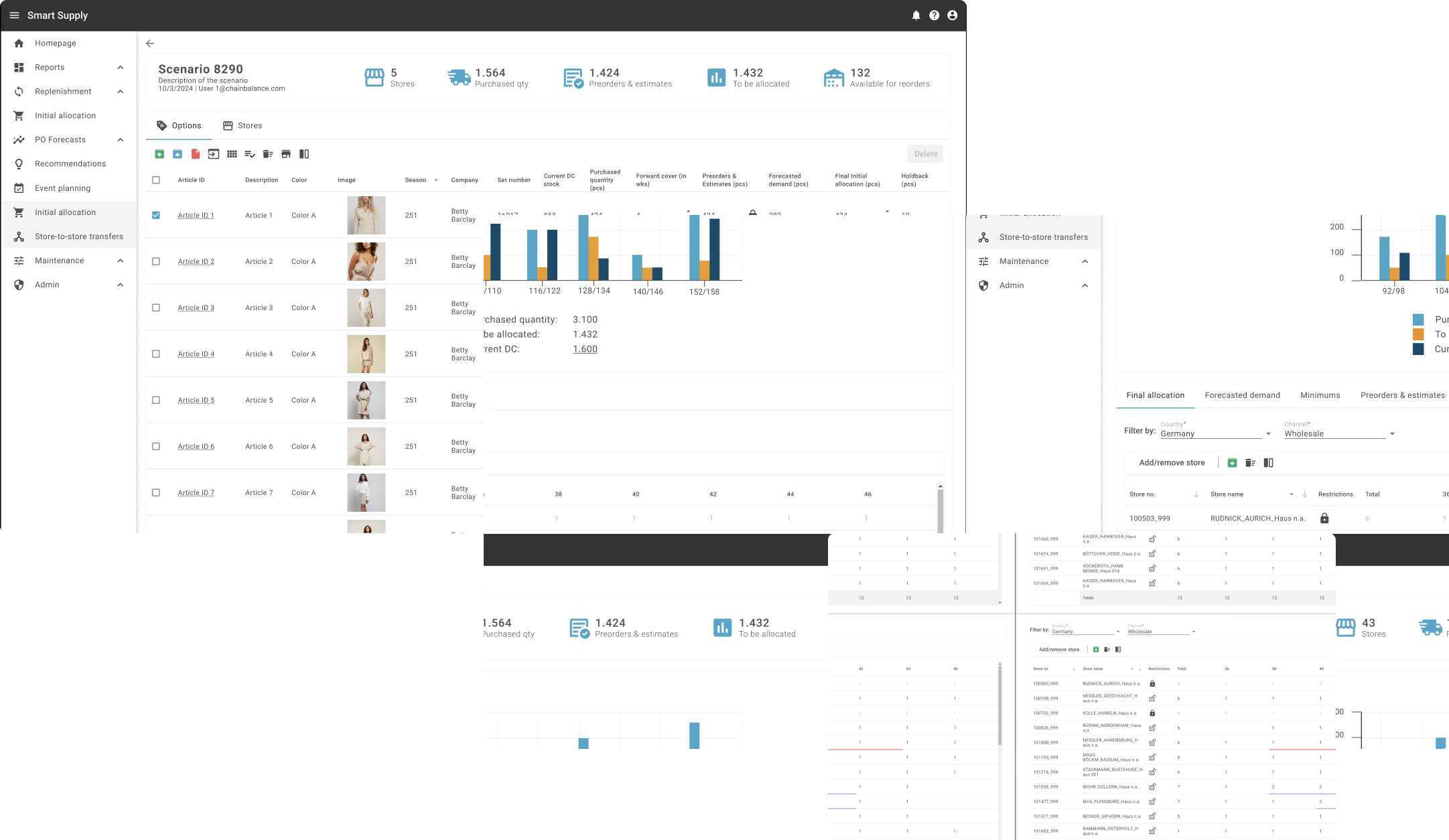
Step 2: Choose the articles you want to allocate
What powers ‘Smart Initial Allocation’?
The module is driven by a combination of historical data and advanced algorithms. It can work with:
- Reference periods (either manually selected or automatically generated)
- Machine Learning models for categorization to forecast option-level demand
- Variables like color, store profile, price segment and more
The solution can also provide insights without applying rules, giving planners a neutral view of forecasted demand, ideal for strategic planning or scenario testing.
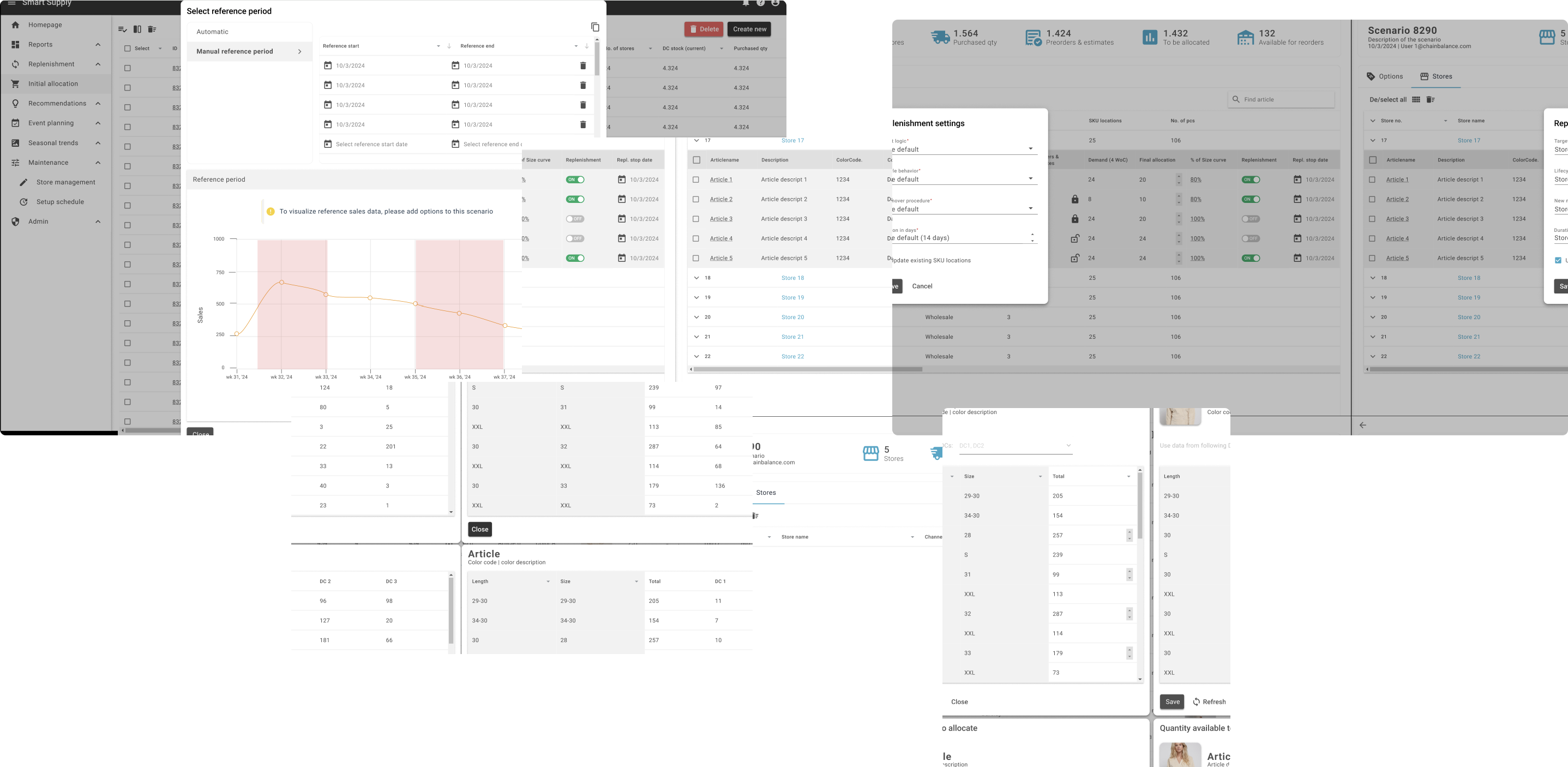
Step 3: Receive a detailed overview of your initial allocation for each option and size
Key benefits and outcomes
‘Smart Initial Allocation’ delivers measurable improvements across the board:
- Improved sell-through rates thanks to more accurate and targeted allocations
- Reduced overstock from day one, minimizing end-of-season markdowns
- Less manual work through scenario automation and data-driven logic
- Better visibility into stock targets and lifecycle planning
- More responsive supply chains that adapt to trends and demand in real time
Rather than flooding the market with inventory upfront, brands can start lean, monitor performance and let replenishment take over when real sales data becomes available.
This shift toward data-driven planning not only improves margins but also supports more sustainable inventory management practices.
‘Smart Initial Allocation’ is the first step toward a fully optimized merchandise lifecycle. By planning with intelligence, brands can launch new collections and seasons with confidence, meet customer expectations, and reduce operational friction.
If your goal is to reduce manual effort, increase precision, and respond to demand instead of assumptions, ‘Smart Initial Allocation’ offers the strategic foundation you need.